ERA Periodical  ·  Vol. 001  ·  December 2025

Documenting the Growth of a Continental Movement for Environmental Rights

A bulletin of Environmental Rights Africa (ERA) — a coalition of 55+ civil society organizations across 40+ African countries.

Building a Movement — Region by Region, Voice by Voice

Dear colleagues, partners, and allies in the pursuit of environmental justice,

We are proud to launch the inaugural edition of The ERA Periodical, a platform dedicated to amplifying the voices, experiences, and aspirations of communities and defenders working to protect Africa's environment and natural heritage. More than a bulletin, this publication is a record of the growth of a continent-wide movement grounded in solidarity, resilience, and the shared conviction that environmental rights are fundamental human rights.

Communities in Africa continue to confront the realities of pollution, land dispossession, climate impacts, and extractive-driven injustices. Environmental and land defenders stand at the forefront of these struggles, often at grave personal risk. Among them, Indigenous peoples play a foundational role; as rights-holders, as custodians of ancestral lands, and as bearers of knowledge systems that have sustained ecological balance for generations.

"The ERA Periodical is both an invitation and a commitment: an invitation to remain informed and engaged, and a commitment to continue building stronger alliances and collective action for environmental justice across Africa."

Ahmad Abdallah, ERA Chairperson

This first edition captures key developments and engagements from across the continent, including strategic dialogue with regional institutions, grassroots mobilization efforts, research and advocacy initiatives, international exchanges, and reflections from defenders on the frontlines. With support from the Ford Foundation and the Open Society Foundations, ERA continues to strengthen its institutional capacity and expand its role as a unified African platform advancing environmental rights and justice.

Together, we will shape an Africa where communities are protected, ecosystems are respected, and environmental rights are upheld for present and future generations.

In solidarity,
Ahmad Abdallah
Chairperson, ERA Steering Committee
ERA at a Glance: 2021–2025

Research

West Africa Baseline Assessment published. Four case studies completed in Ghana, DRC, South Africa, and Kenya.

Coalition

55+ CSO members across 40+ countries. First in-person member meeting convened in Freetown.

Strategy

Five-year roadmap adopted. Continental governance structure established with Regional Anchors and Working Groups.

Engagements

Engaged the ACHPR, AU, UNHRC, UNEP, the Escazú COP in Chile, and African regional bodies.

Donors

Supported by the Ford Foundation and the Open Society Foundation (OSF).

UNEP Hosts Expert Consultation on Human Rights and Africa's Environmental Crisis

The United Nations Environment Programme (UNEP) hosted a high-level consultation on human rights and Africa's environmental crisis in Nairobi from 12–13 July 2025. The meeting convened experts from academia, civil society, Indigenous communities, national human rights institutions, the African Commission, the African Court, and sub-regional judicial bodies. It offered a rare space for collective reflection on how to strengthen environmental rights amid escalating climate, biodiversity, and pollution emergencies.

Participants began with a shared understanding: Africa contributes the least to global emissions yet suffers disproportionately from climate-induced displacement, biodiversity loss, toxic pollution, and the worsening vulnerability of Indigenous Peoples, women, children, persons with disabilities, and environmental defenders.

Experts noted real progress. All African states now recognize the right to a healthy environment through constitutions or legislation, while landmark African Commission and Court rulings — from SERAC v. Nigeria to Endorois v. Kenya — continue to shape global environmental justice. National human rights institutions are stepping up, including NANHRI's new climate unit. Civil society coalitions such as ERA are driving coordinated advocacy for stronger standards.

Still, major gaps persist: weak enforcement, fragmented institutions, shrinking civic space, and limited incorporation of Indigenous knowledge systems.

"Africa has the tools, experience, and collective will to advance environmental rights — if stakeholders act with urgency, strategy, and solidarity."

Expert Consultation Closing Statement, Nairobi 2025

Proposed practical measures included clearer access to information, stronger public participation, better compliance mechanisms (including environmental courts), and protection against SLAPP suits. The consultation closed with firm commitments: civil society vowed to expand monitoring; UN agencies and regional institutions pledged continued support; donors committed to strengthening capacity and African-led coordination.

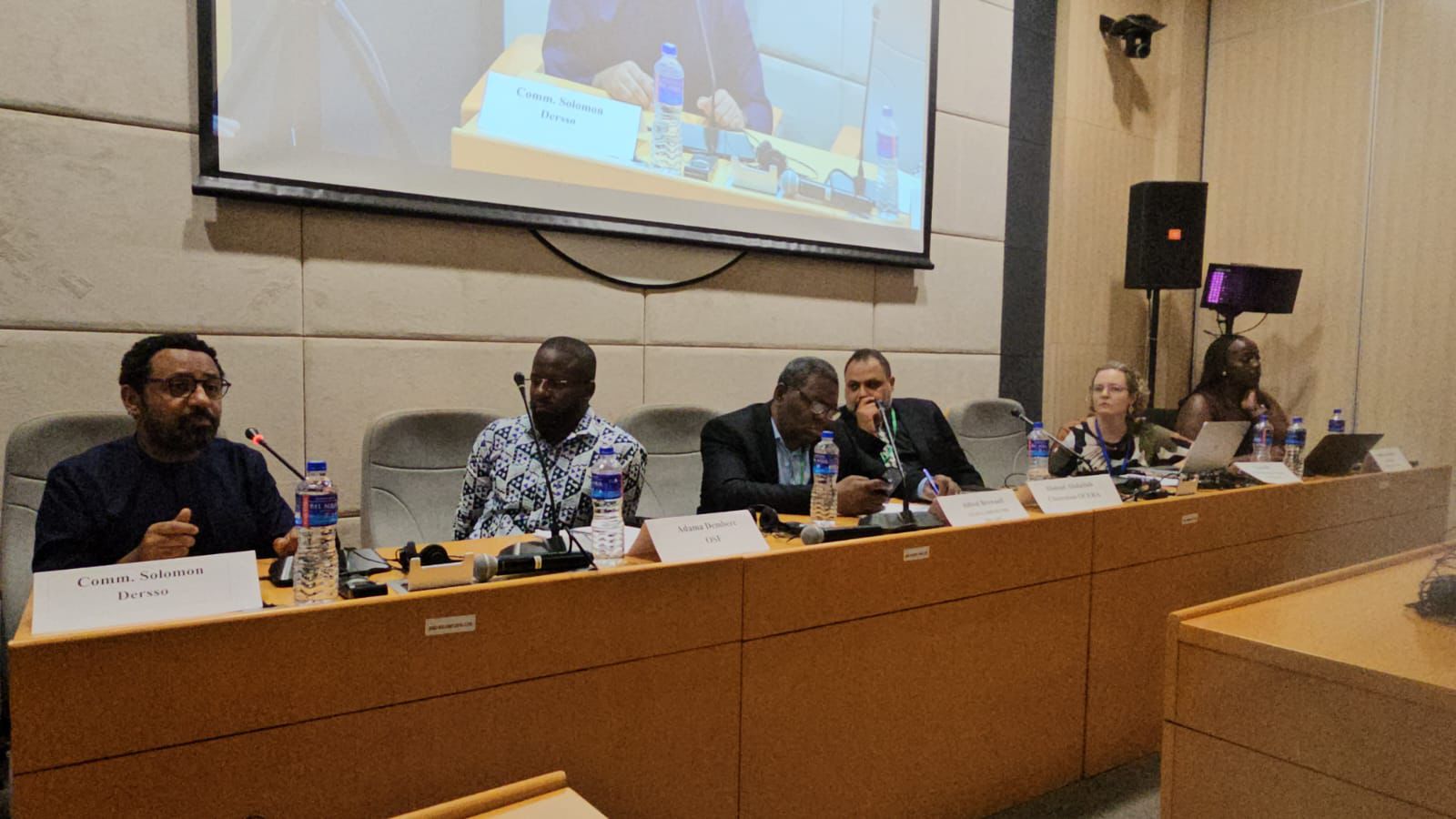
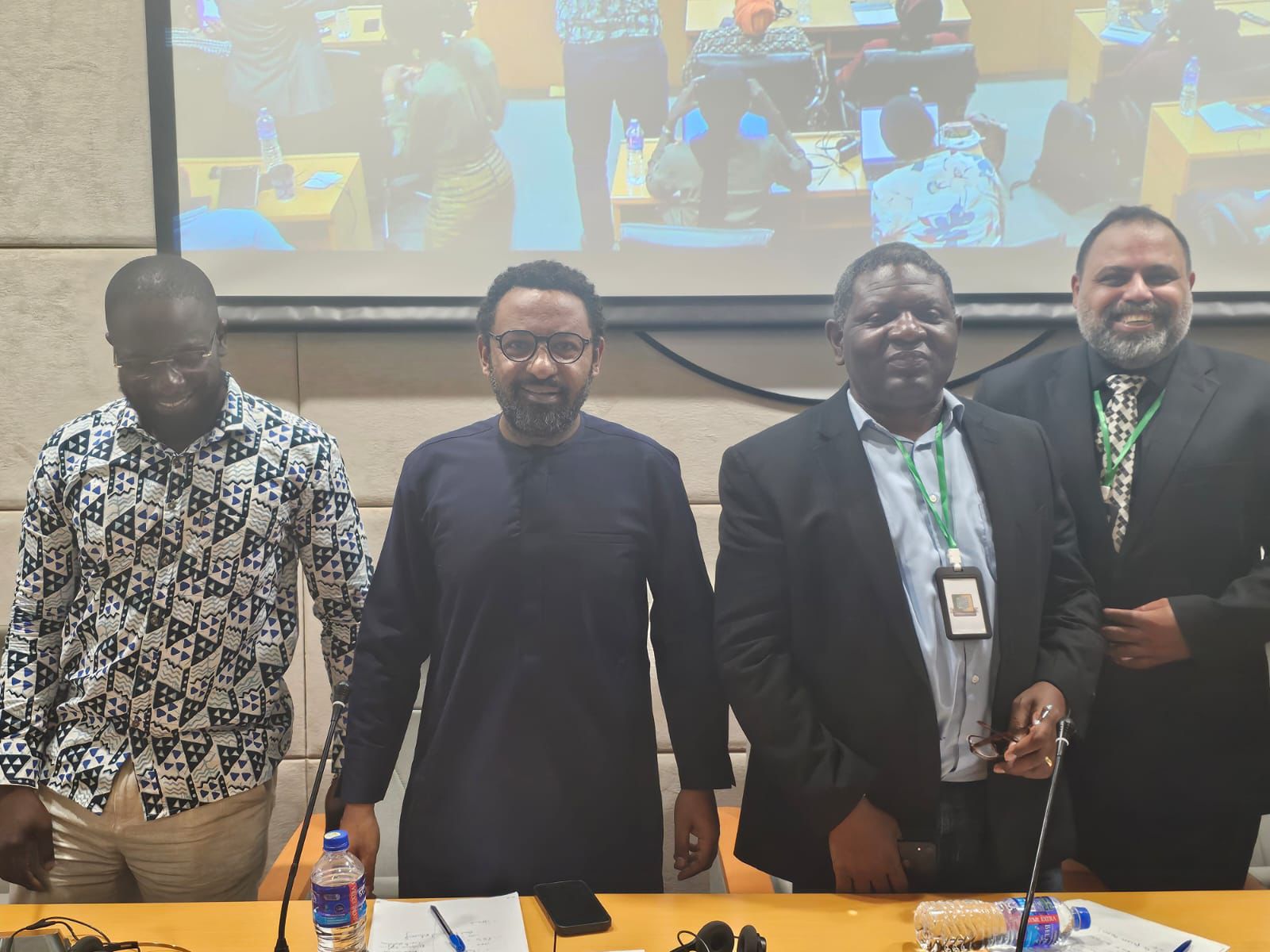
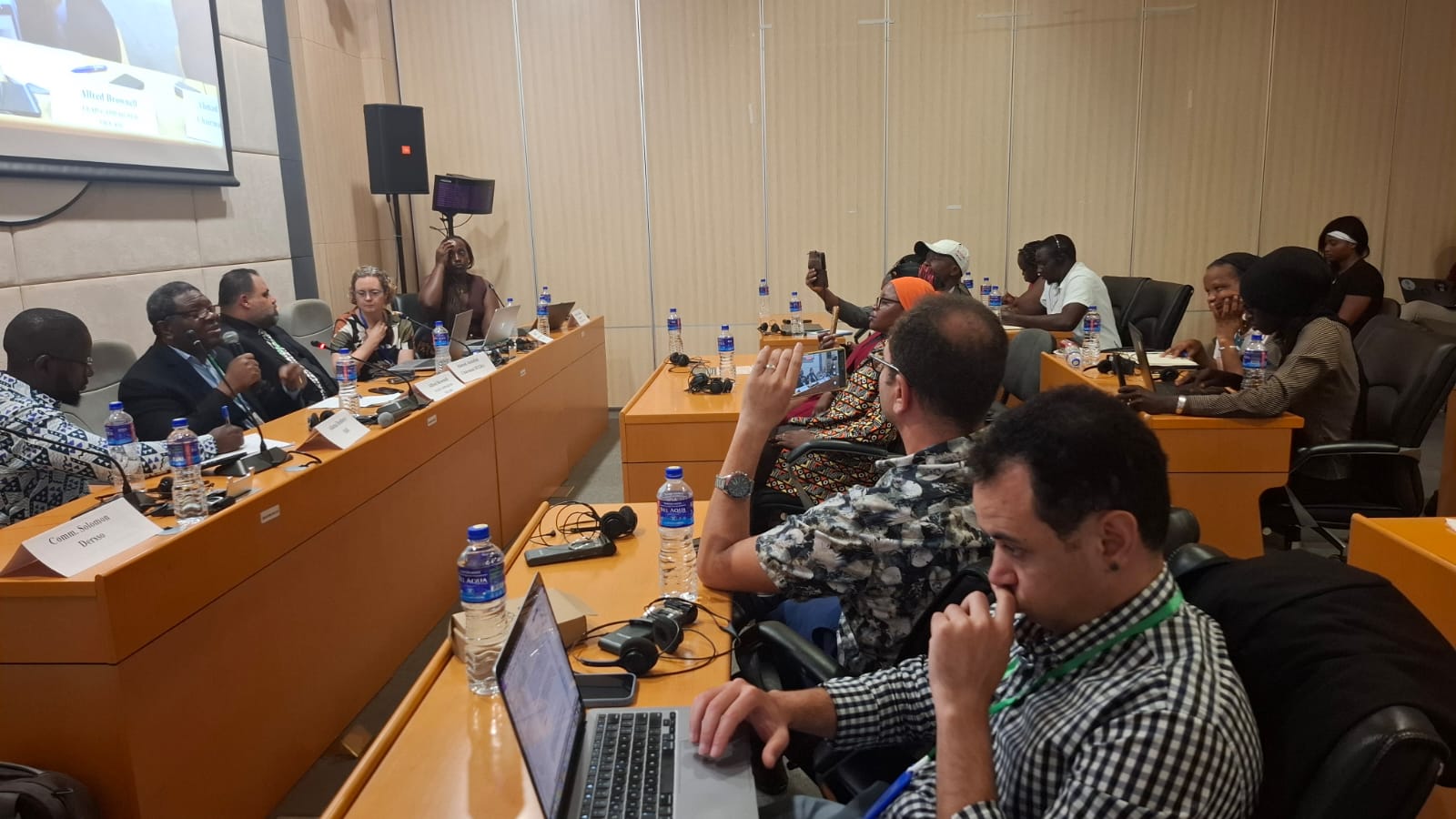
Panelists at the UNEP Expert Consultation in Nairobi, including Commissioner Solomon Dersso

Participants at the Expert Meeting — Nairobi, July 2025. Commissioner Solomon Dersso (left), Chair of the ACHPR Working Group on Extractive Industries, Environment and Human Rights, is visible at the panel table.

Strengthening Ties with Sierra Leone's Minister of Justice

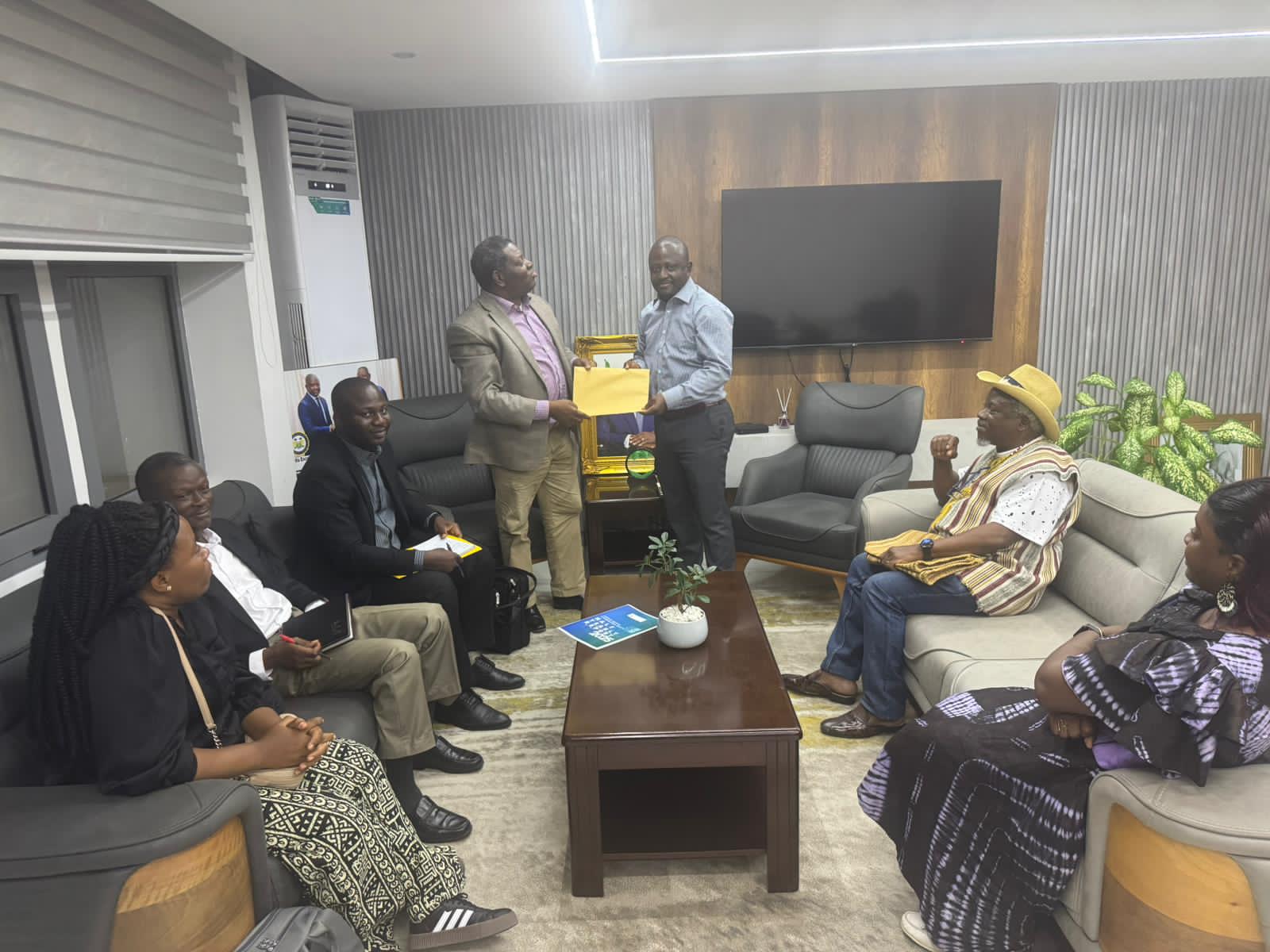
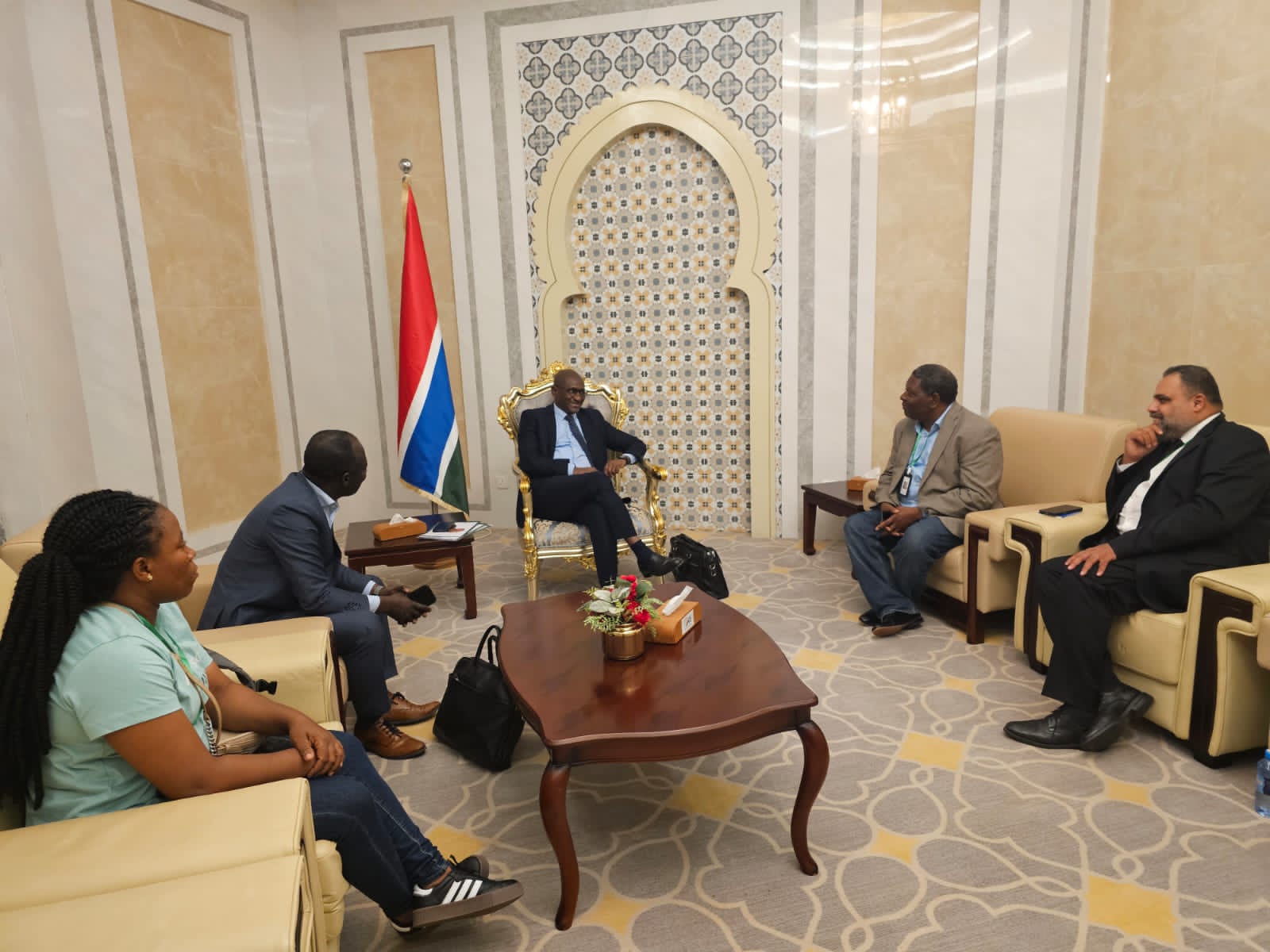
ERA delegation presenting a formal letter to Sierra Leone's Minister of Justice, Mr. Alpha Sesay

ERA delegation presenting a formal letter to Minister Alpha Sesay at his office in Freetown, October 30, 2025.

As part of a broader effort to cultivate African government champions for their continental initiatives, a delegation from Environmental Rights Africa (ERA) and the African Climate Platform (ACP) paid a courtesy visit to Sierra Leone's Minister of Justice and Attorney General, Mr. Alpha Sesay, on Thursday, October 30, 2025, in Freetown.

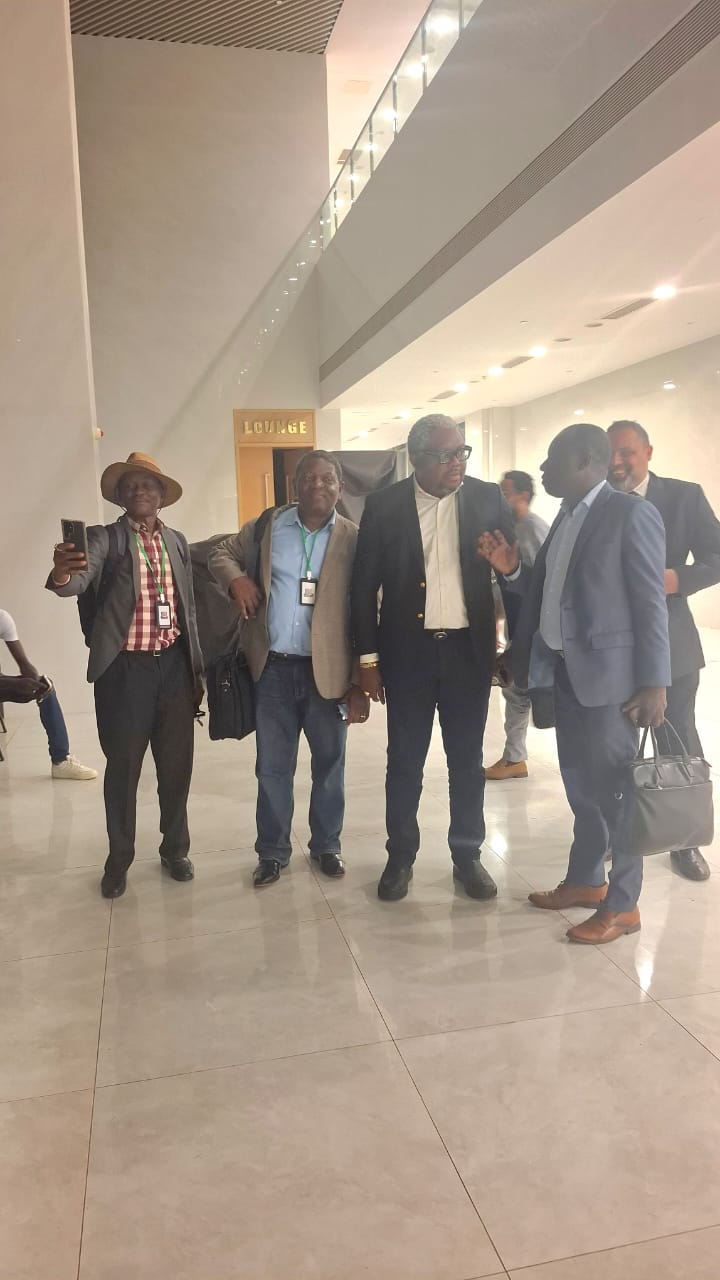
The visit was led by Sierra Leonean partners Abu Brima, Mucktarr Raschid, and Esther Kandeh, joined by Alfred Brownell, Radiatu Khanplaye, and Peter Quaqua, who stopped in Freetown enroute from Banjul after participating in activities around the 85th Ordinary Session of the African Commission on Human and Peoples' Rights (ACHPR).

The delegation updated Minister Sesay on progress made since the ERA–ACP gathering in Freetown earlier this year and discussed ways to strengthen collaboration at national, regional, and continental levels. A formal letter was presented requesting his support in advancing both ERA and ACP processes across West Africa and the wider continent. The team also appealed for his intervention with the African Court to request an extension of the 90-day deadline for states to submit observations on the Advisory Opinion.

Minister Sesay warmly welcomed the delegation and reaffirmed his commitment to championing environmental rights and climate justice. He emphasized that his role goes beyond that of a government ally, noting that he considers himself an extension of the civil society movement where he began his advocacy career. While in Freetown, the team also participated in the inaugural National Conference on Human Rights and Climate Change organized by the Sierra Leone Human Rights Commission.

Insights From Chile: Testing the Plausibility of an African Environmental Agreement

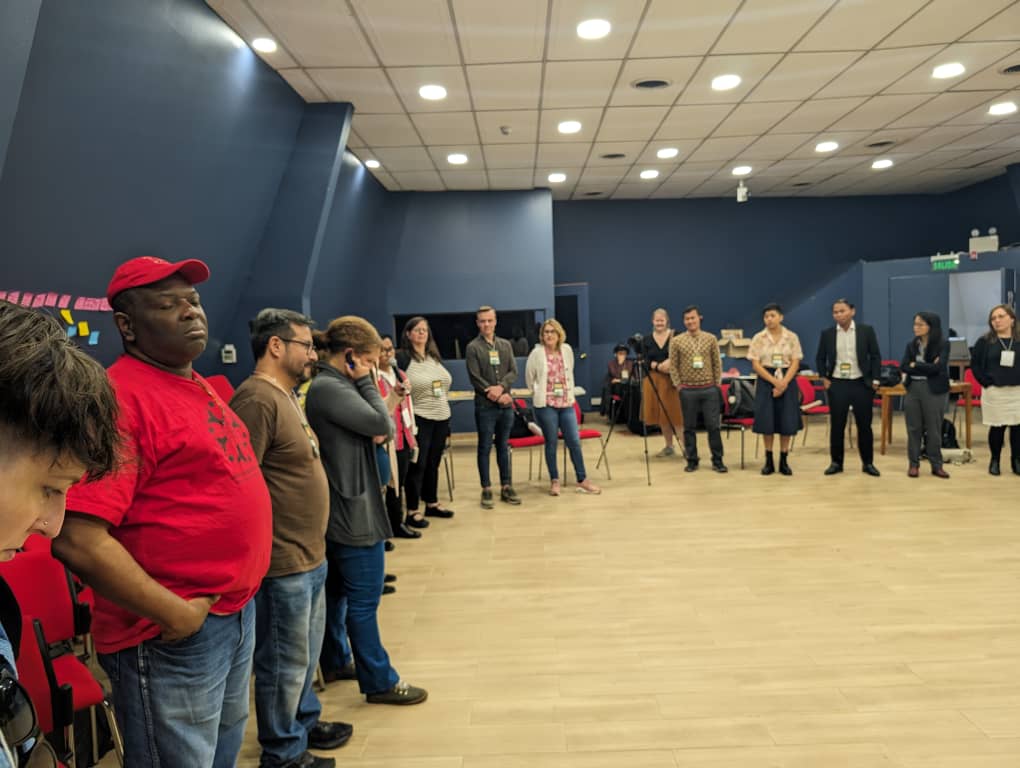
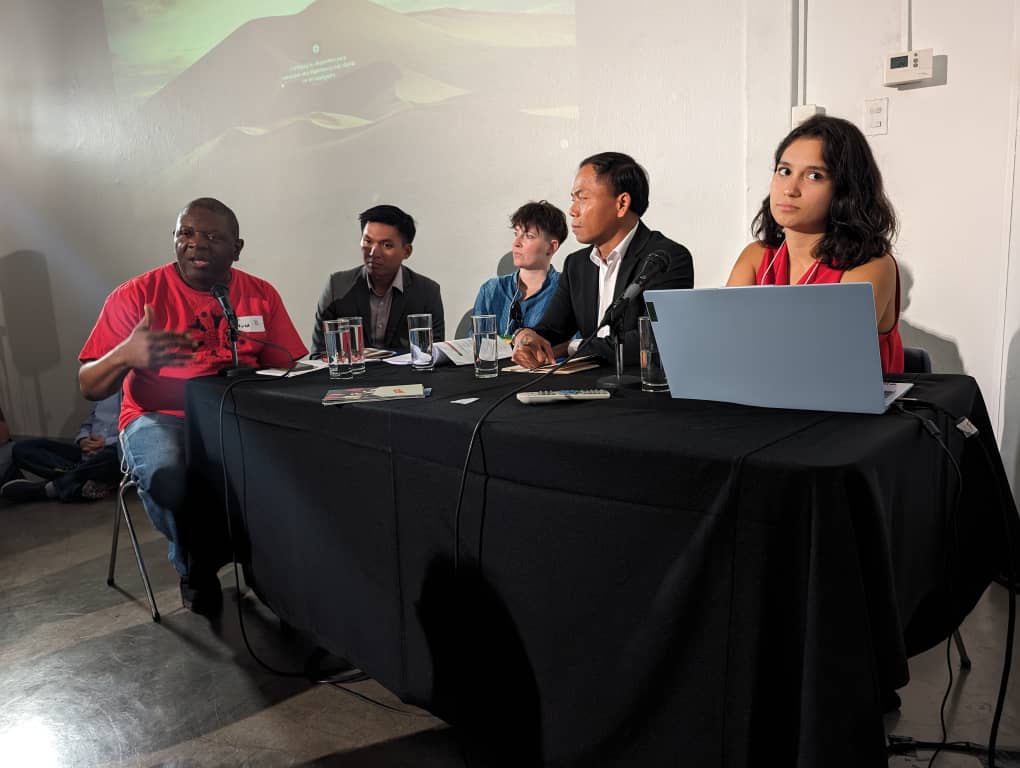
At the 2024 Santiago "Lessons Learnt" Conference, ERA joined global partners to reflect on what an African regional environmental rights agreement could look like. In a panel on Environmental Democracy in Africa, Emily Kinama drew on ERA's case studies in the DRC, South Africa, Ghana, and Kenya, showing how defenders across the continent face similar systemic challenges: weak access to courts, rampant criminalization, extractive industry abuses, and colonial-era barriers to information.

"Laws and information are kept secret… many people don't even know their rights," she noted, emphasizing that even countries with strong laws struggle with implementation. Lack of resources, limited scientific capacity, and basic obstacles like accessing documents or filing complaints further weaken accountability.

"At first, it felt like defeat. But over time, a thousand doors began to open."

Panelist on the Escazú Agreement experience

Panelists Napoli, Joara Marchezini, and Patricia Madrigal shared insights from Latin America's Escazú Agreement. Success depended on a strong civil society network, a supportive secretariat, and a shared vision among negotiators. A major turning point was the recognition in Article 9 that environmental and human rights are inseparable. But the path was difficult — political resistance, mistrust, language barriers, and endless debates over whether the agreement should be binding slowed progress. Humility and strategy were essential: leaving egos behind, uplifting credible voices, finding allies inside government, and ensuring quieter participants had space to contribute.

The Chile conversations offered both caution and hope. The question for Africa is not whether the Escazú success is possible, but how the continent can design a homegrown agreement that reflects its histories, institutions, and community needs. Achieving this will require political courage, sustained consultation, and a strong civil society movement.

ERA and partner delegates at the Escazú COP3 conference in Santiago, Chile

Cross section of ERA delegates at the Escazú COP3, Santiago, Chile. The gathering offered critical lessons for Africa's own environmental rights journey.

AU Visit Reveals Key Triggers of Conflict — and Opens Path for Environmental Justice

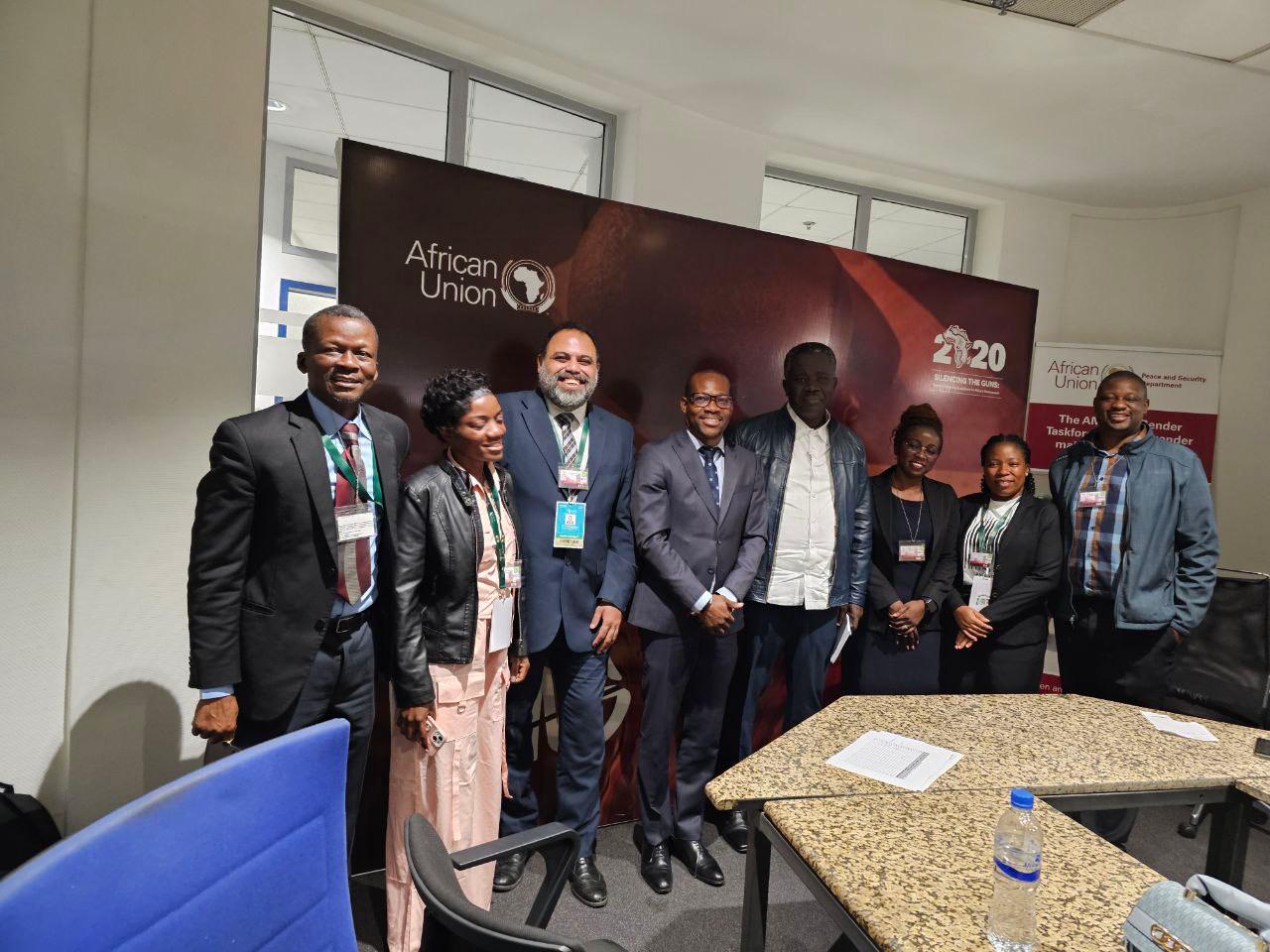
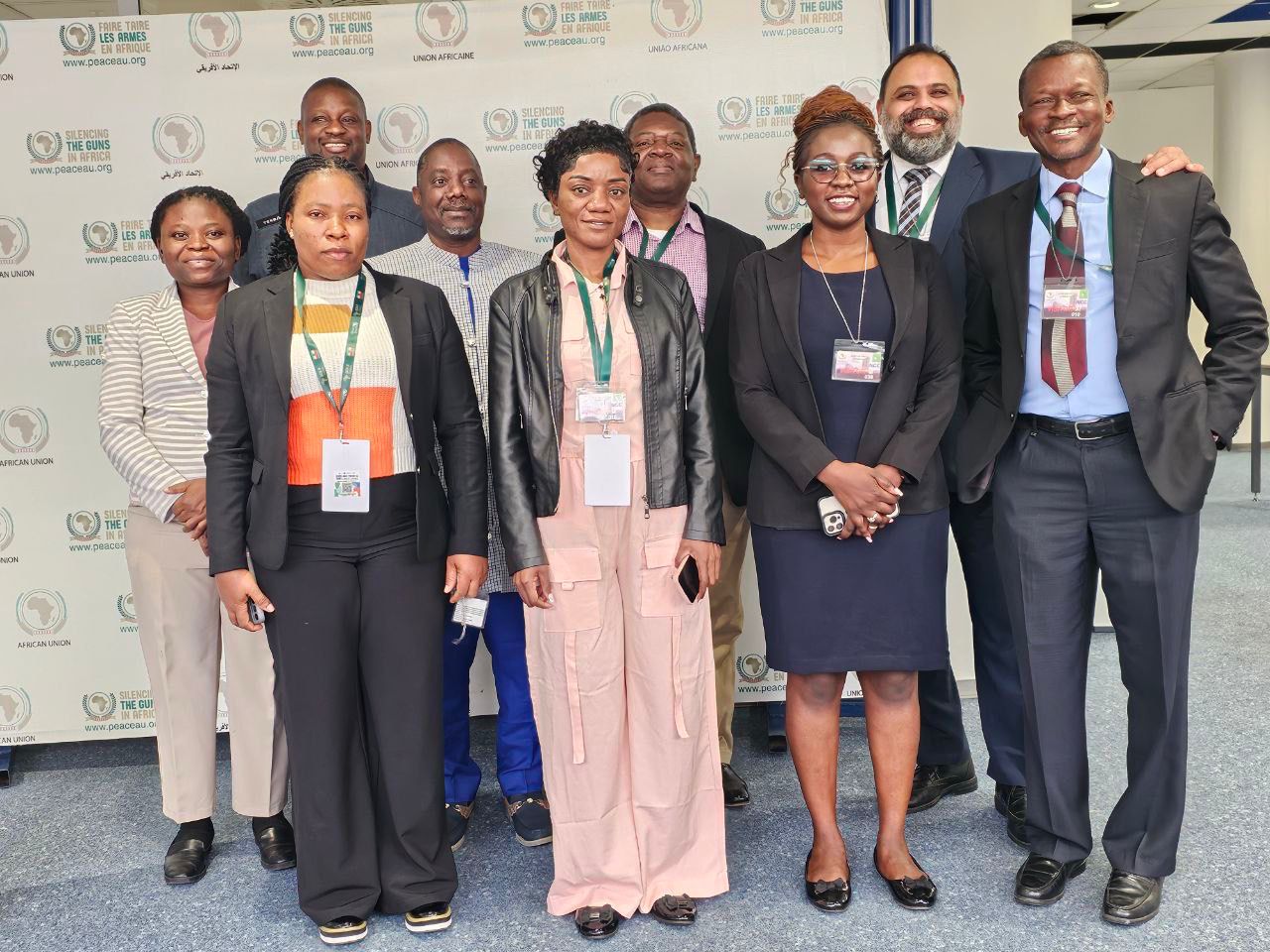
Environmental Rights Africa (ERA) has taken a significant step in advancing its campaign for a continent-wide environmental rights framework, following a high-level joint engagement with African Union (AU) technical staffers on 10 September 2025. The meeting, held at AU Headquarters in Addis Ababa during the Africa Climate Summit, brought together leading representatives from ERA and the African Climate Platform (ACP) to present their shared agenda for strengthening environmental governance, climate justice, and the protection of vulnerable communities across the continent.

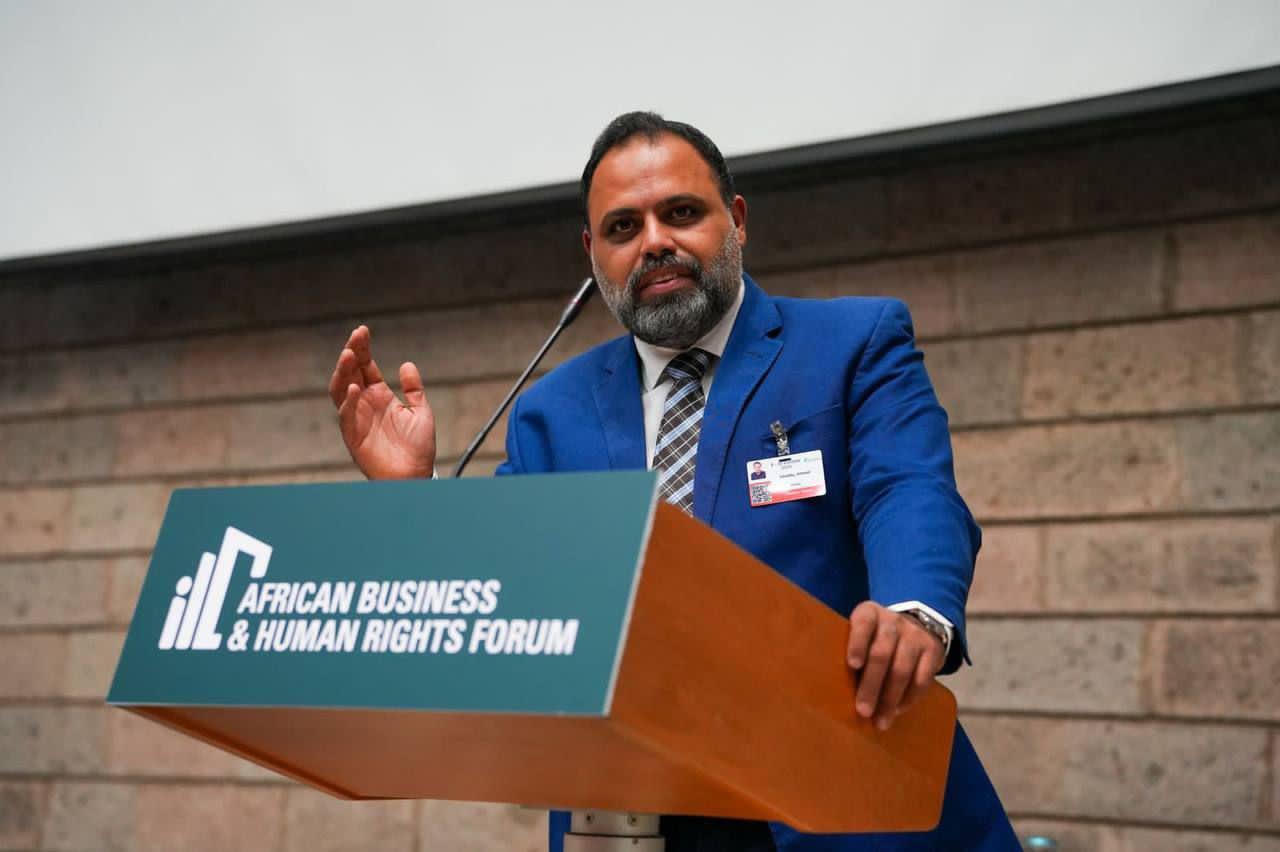
ERA leaders, including Steering Committee Chair Ahmed Abdalla and Lead Campaigner Alfred Brownell, presented the coalition's core objective: the development of a regional environmental rights agreement rooted in African realities. Drawing inspiration from global standards such as the Escazú and Aarhus Agreements, ERA's framework emphasizes four pillars — access to information, public participation, access to justice, and protection of vulnerable and Indigenous communities.

ERA delegate speaking at the African Business and Human Rights Forum in Addis Ababa

ERA Lead Campaigner Alfred Brownell speaking at an AU-adjacent forum during the Africa Climate Summit in Addis Ababa.

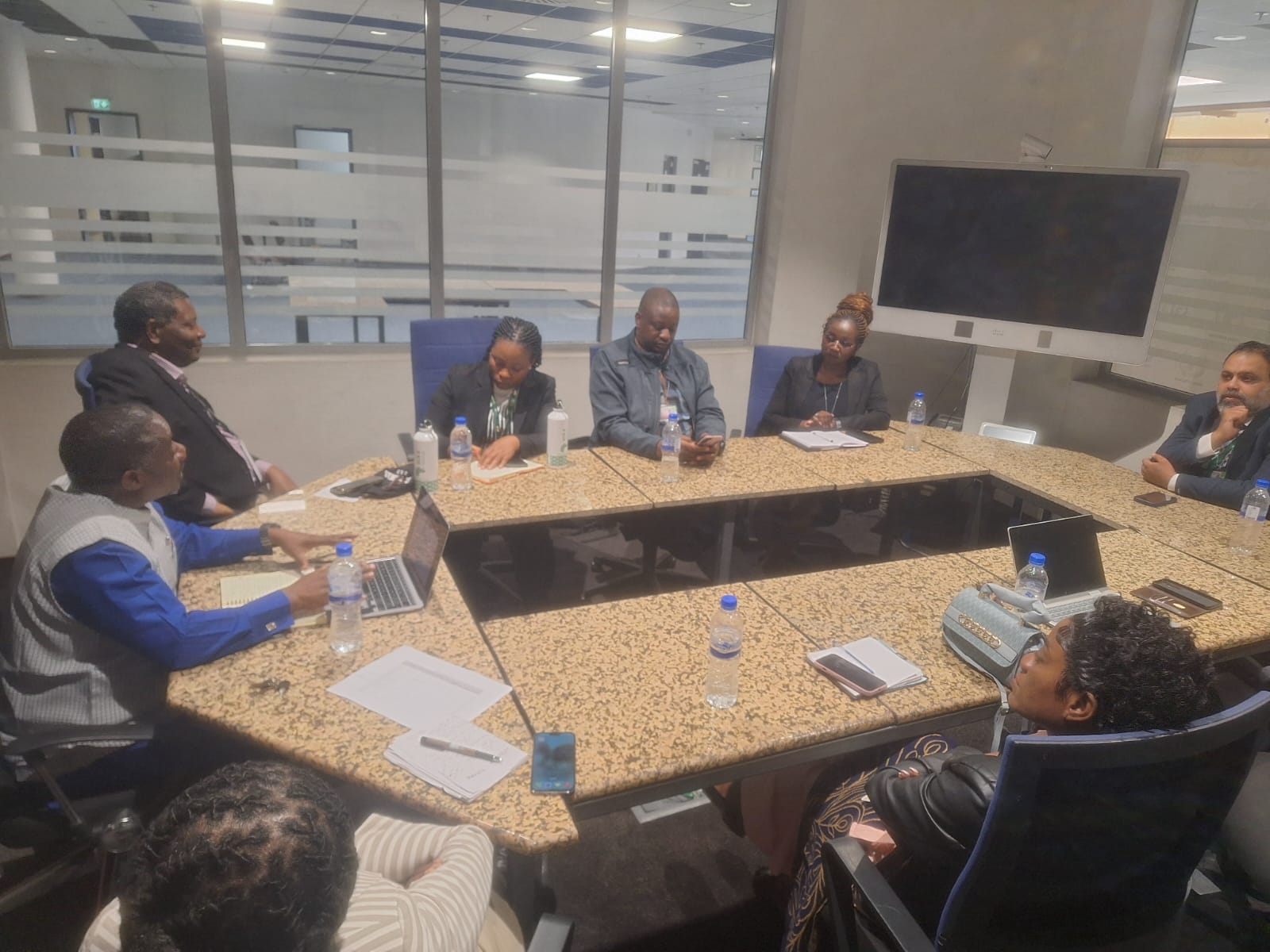
ERA and ACP team with AU officials at the African Union Headquarters, Addis Ababa

ERA/ACP team at the African Union Headquarters, Addis Ababa, September 2025.

AU departments — including Peace and Security, Climate, Peace and Security, and the Transitional Justice Unit — noted the growing convergence between climate impacts, environmental degradation, and conflict. Officials stressed that while climate change may not directly cause conflict, it magnifies vulnerabilities that can ignite instability. The Transitional Justice Unit, which is reviewing the 2019 African Transitional Justice Policy, confirmed that environmental and climate justice remain underdeveloped areas within continental peacebuilding frameworks.

"AU officials openly acknowledged the value of ERA and ACP's contributions, noting how closely their work aligns with continental priorities on peace, security, and justice."

Joint ERA/ACP Report on AU Engagement, September 2025

The joint engagement produced meaningful outcomes: AU officials encouraged the networks to follow up with formal communications; participants reached a shared understanding of key priorities ranging from addressing environmental drivers of conflict to strengthening regional frameworks; and the meeting helped expand ERA and ACP's institutional access, establishing new focal points within AU departments.

Key AU officials in attendance were: Earnest Dolo, Coordinator of the Silencing the Guns Unit; Dr. Philip Attuquayefio, AU Advisor on Climate, Peace and Security; and Eugene Bakama of the Transitional Justice Unit.

ERA delegation with African Union team at the AU Headquarters, Addis Ababa

The ERA delegation with African Union officials at AU Headquarters. L–R: Peter Quaqua, Radiatu Khanplaye, Alfred Brownell, Dzimbabwe Chimbga, and others from the ERA/ACP team.

The Freetown Rally for Environmental Democracy

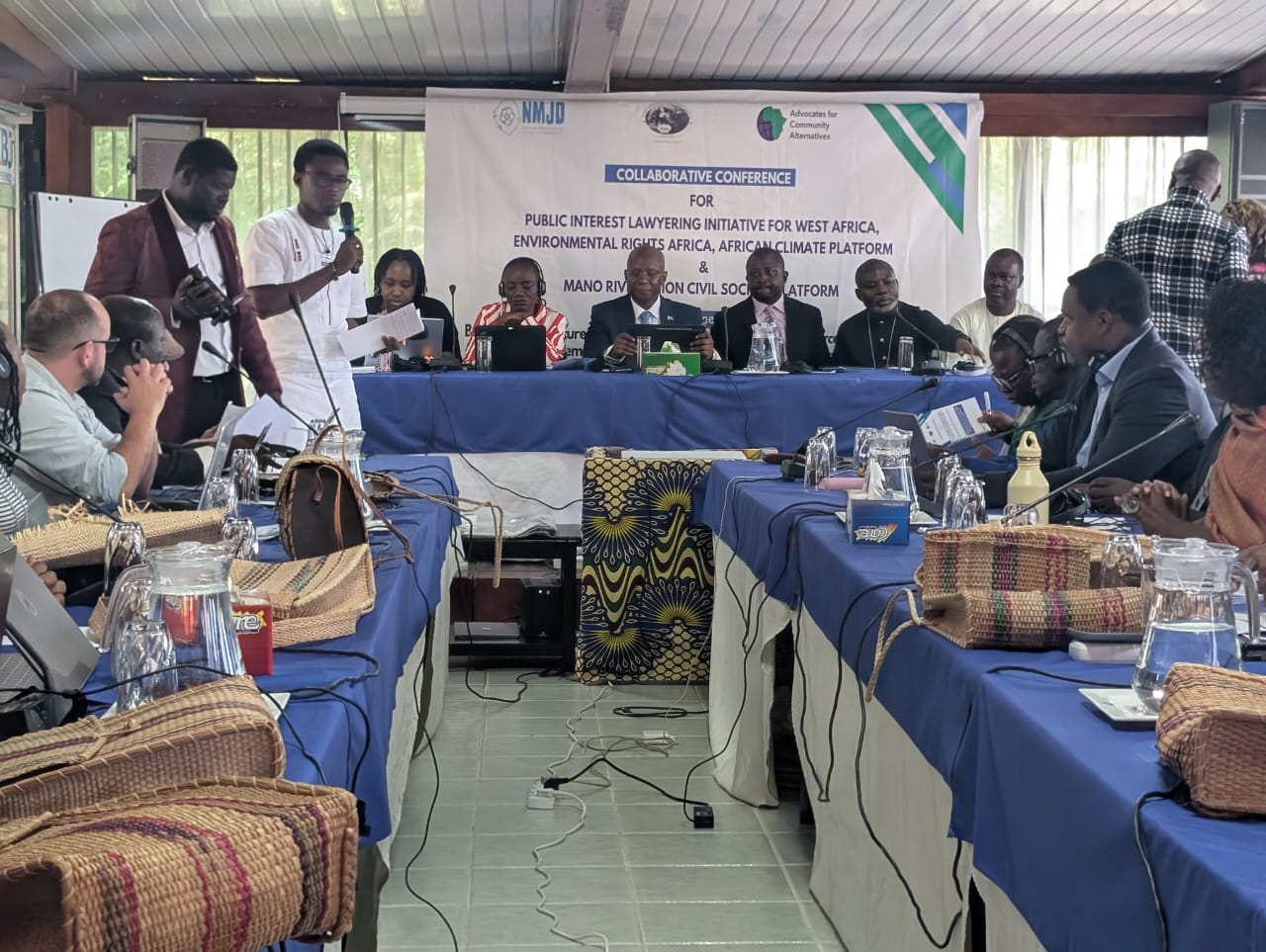
Activists, legal experts, and civil society leaders from every corner of the African continent converged in Freetown for a week-long meeting of the Environmental Rights Africa (ERA) initiative — to seek pathways for the adoption of a regional environmental rights framework. From 17 to 21 February, the coalition deliberated and finalized a five-year strategic plan that will guide efforts around environmental democracy, protect land and defenders, and advance a stronger legal framework that holds governments and corporations accountable for environmental injustices.

"This meeting marks a defining moment for environmental rights in Africa," said Alfred Brownell, Lead Campaigner. "We are not just discussing policies — we are building a movement that will ensure African communities have the legal tools to protect their lands, waters, and livelihoods."

A key outcome of the gathering was the adoption of a five-year work program aligned with ERA's long-term goals of research, advocacy, and coalition-building. The strategy seeks to strengthen governance structures by clarifying the roles of regional and national focal points; designing government engagement strategies and identifying potential state champions to advance treaty negotiations; and developing a sustainable funding plan through partnerships and donor support.

"The energy in Freetown was profound. It was more than a planning session — it reaffirmed civil society's collective will to demand environmental rights."

ERA Report on the Freetown Gathering, February 2025

With deforestation, land grabs, pollution, and climate change mounting across Africa, ERA emerged from Freetown with a renewed mandate, a stronger coalition, and a bold vision for the future — one where environmental rights are not just recognized, but actively enforced across the continent.

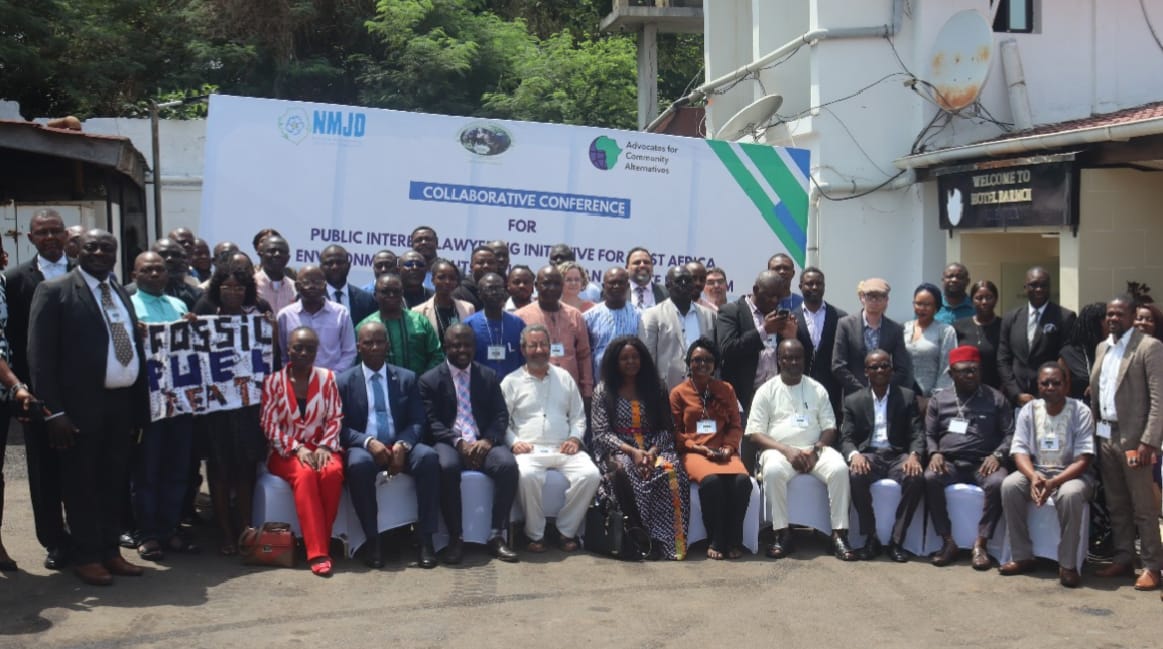
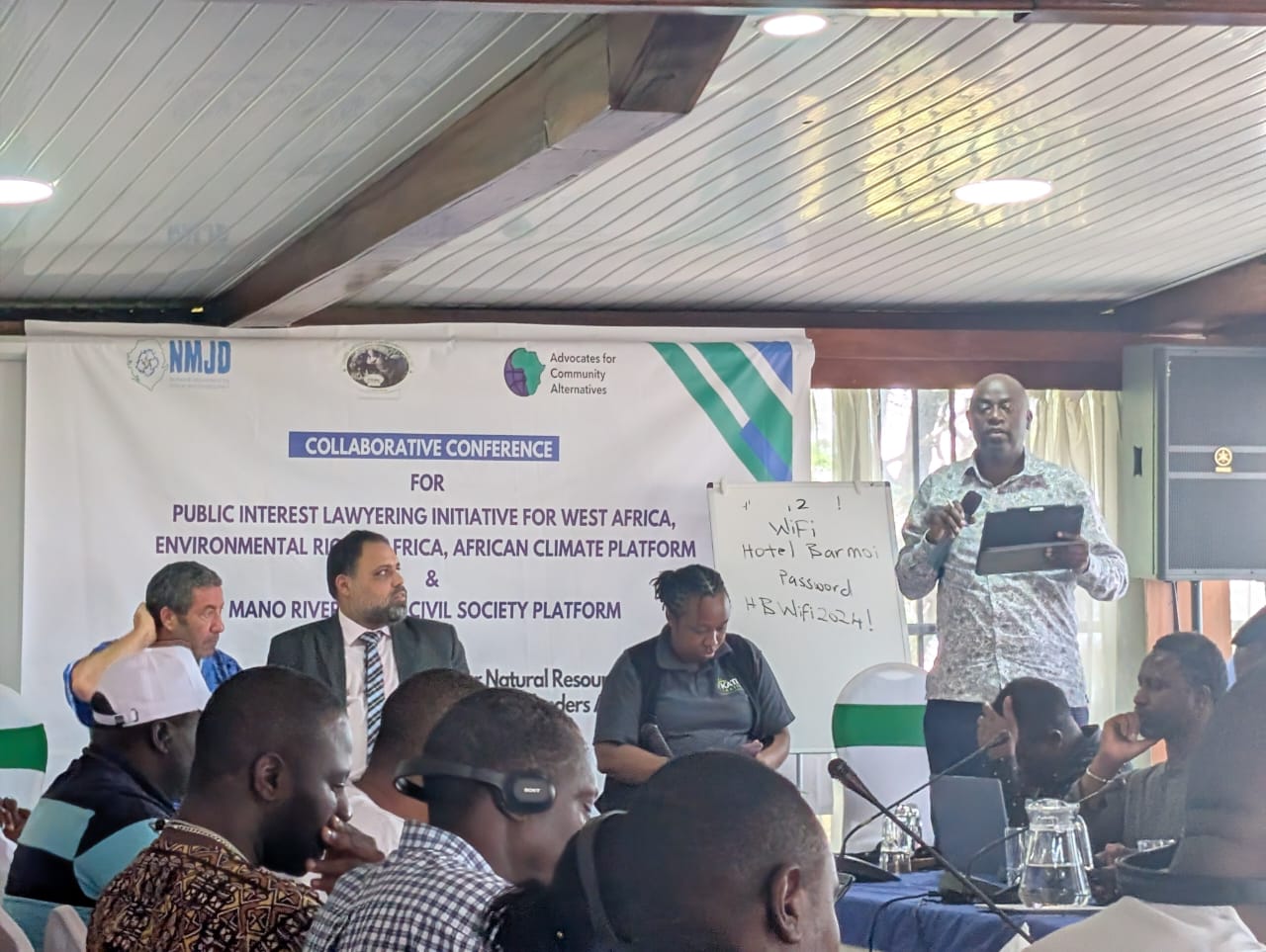
Delegates from across Africa at the Collaborative Conference in Freetown, Sierra Leone

Delegates at the Freetown Collaborative Conference, Hotel Barmoi, February 2025. The gathering brought together ERA, ACP, PILIWA, and the MRU CSO Platform.

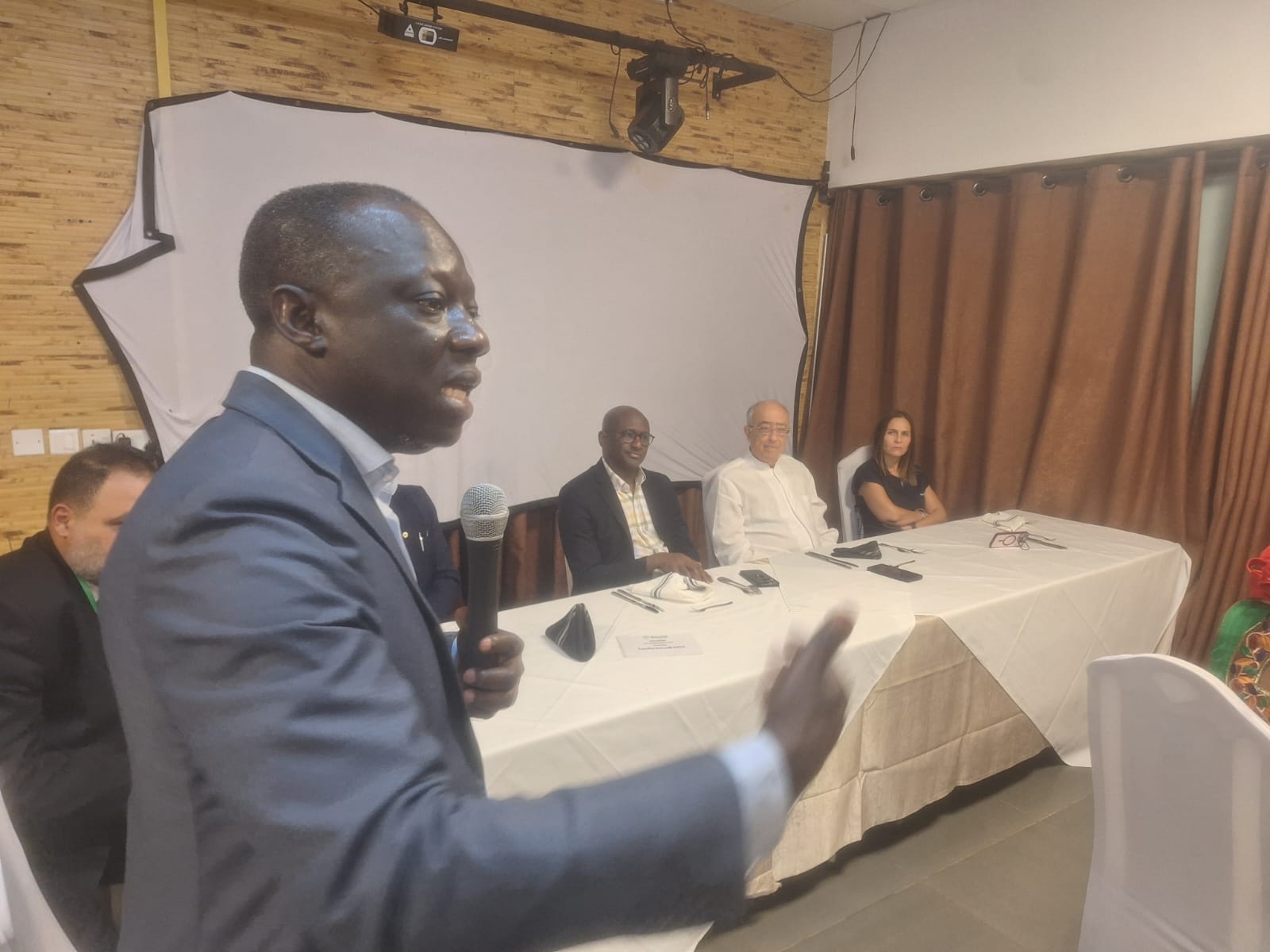
Speaker at the Freetown Collaborative Conference session

A speaker addresses delegates during a plenary session at the Freetown gathering.

Adopted 21 February 2025 · Freetown, Sierra Leone

The Freetown Declaration

Adopted at a Collaborative Conference on African-Based Climate, Environmental, Natural Resources Rights and Protection Tools and Mechanisms. Convened by PILIWA, ERA, ACP, and the MRU CSO Platform at Hotel Barmoi, Freetown, 17–21 February 2025.

Acknowledging the increasing threats posed by climate change, environmental degradation, and the infringement of natural resource rights on local communities and indigenous peoples across the continent; Recognizing the urgent need for a consolidated and strategic approach to strengthen legal frameworks, advocacy, and environmental rights; the collaborating organizations resolved to:

Resolution 1

Condemn and demand an immediate halt to all extractive activities, land grabbing, and environmentally harmful projects that lack the Free, Prior, and Informed Consent (FPIC) of vulnerable and marginalized local communities.

Resolution 2

Strengthen Regional Cooperation by establishing a collaborative framework to facilitate cross-border advocacy, legal interventions, and policy engagement for the recognition and protection of environmental defenders and environmental rights.

Resolution 3

Promote Legal and Policy Reforms to support the development and enforcement of comprehensive legal instruments at national, regional, and continental levels to protect local communities, environmental defenders, and ecosystems.

Resolution 4

Advance Climate and Environmental Justice by mobilizing legal practitioners, civil society organizations, and affected local and indigenous communities to challenge harmful environmental practices and advocate for rights-based climate solutions.

Resolution 5

Enhance Advocacy for the Protection of Environmental Defenders to develop effective response mechanisms to mitigate risks faced by environmental and climate justice defenders, ensuring their safety and ability to operate freely.

Resolutions 6–8

Facilitate Research and Documentation; Engage with Regional and International Bodies including the African Union and sub-regional bodies; and strengthen cohesion and solidarity to advance environmental rights protection across Africa.

Done in Freetown, Sierra Leone, on the 21st Day of February 2025.

ERA Constitutes Leadership to Drive Africa's Environmental Justice

At its General Membership Meeting on 26 August 2025, the coalition of more than 55 civil society organizations formally endorsed a newly elected Steering Committee — a diverse leadership team that reflects the breadth of Africa's regions, languages, and generations.

Steering Committee — Regional Anchors

Chairperson · North Africa

Ahmad Abdallah

Egyptian Commission for Rights and Freedom

Co-Chairperson · West Africa

Saran Touré

Plaidoyer Recherche et Renforcement de Capacités des ONG (PRONG)

Steering Committee · East Africa

Walda Keza Shaka

Defend Defenders

Steering Committee · Central Africa

Olivier Ndoole

ACEDH, Democratic Republic of Congo

Steering Committee · Southern Africa

Thuli Makama

Oil Change International, Eswatini

Lead Campaigner

Alfred Brownell

Green Advocates International, USA/Liberia

Working Group Leads

Outreach & Advocacy

Paul Mulindwa

CIVICUS

Case Studies

Emily Kinama

Katiba Institute, Kenya

Defenders Emergency WG

Lucien Limacher

Natural Justice, South Africa

Technical Drafting WG

Fiona Iliff

ABA, Zimbabwe

Communications WG

Philip Jakpor

Renenvlyn Development Initiative, Nigeria

Fiscal Sponsor

Francis Colee

Green Advocates, Liberia

"Our struggle is not abstract — it is the struggle of farmers losing their lives to droughts, of coastal communities watching the sea rise, of indigenous people defending their sacred lands."

Ahmad Abdallah, Acceptance Remarks as ERA Chairperson, August 2025

Panelists Warn of Rising Threats Against Defenders — ERA Takes the Fight to Banjul

When delegates gathered in Banjul for the 85th Ordinary Public Session of the African Commission on Human and Peoples' Rights (ACHPR), the urgency was unmistakable. Rising temperatures, polluted rivers, shrinking forests, widening inequalities, and escalating attacks on environmental defenders have brought Africa to a critical turning point.

Working with the ACHPR's Working Group on Extractive Industries, Environment and Human Rights (WGEI), ERA hosted a side event on 25 October titled "Advancing the Protection and Promotion of Environmental Rights in Africa." Though only forty participants attended, the dialogue carried regional significance: Africa is edging toward a more coherent and enforceable environmental rights regime.

ACHPR Commissioner Solomon Ayele Dersso reinforced this point by highlighting ongoing work to draft a General Comment on Article 24 — the right to a satisfactory environment under the African Charter. For the first time, the Commission is developing a standalone interpretation that positions environmental rights as autonomous and deserving focused protection.

Liberian lawyer Alfred Brownell, speaking from decades of frontline experience, outlined structural failures — from weak safeguards and poor public participation to limited access to justice — that leave communities vulnerable. Drawing on his work with ERA and the African Climate Platform (ACP), he highlighted two major efforts: the push for a regional environmental rights framework and the Advisory Opinion request filed before the African Court through PALU on states' climate obligations.

From the Open Society Foundations (OSF), Adama Dembere reaffirmed long-term support for defenders and institutions, noting OSF's nearly USD 100 million investment in environmental rights and critical minerals programs.

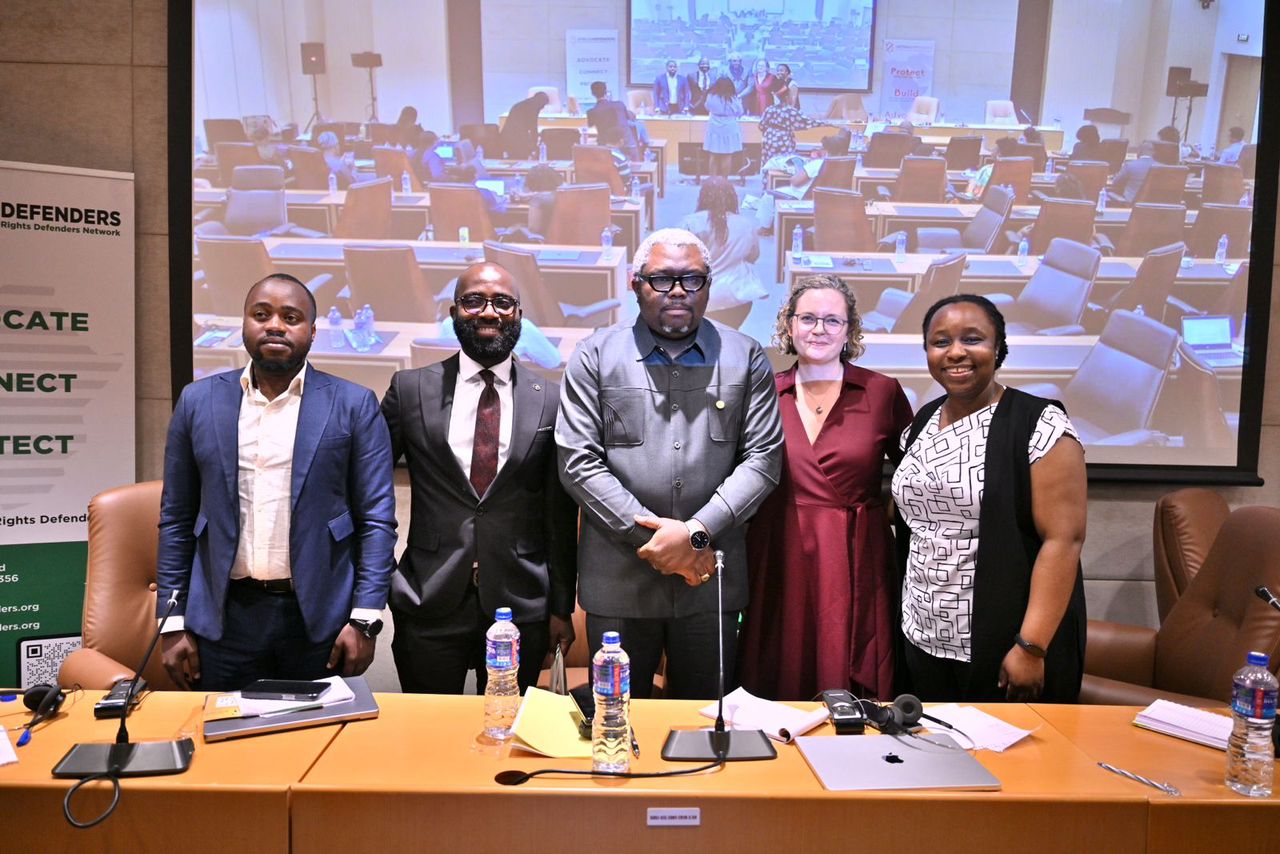
Panel at ERA's side event at the ACHPR 85th Session in Banjul

L–R: Commissioner Dersso, Adama Dembere (OSF), Alfred Brownell, Ahmad Abdallah, Fiona Iliff, and Walda Keza Shaka at the ERA side event, Banjul, October 2025.

ERA team at the ACHPR session in Banjul

ERA team at the Defenders session of the 85th ACHPR Ordinary Session.

An Acquaintance Evening with the ACHPR Mandate Holders

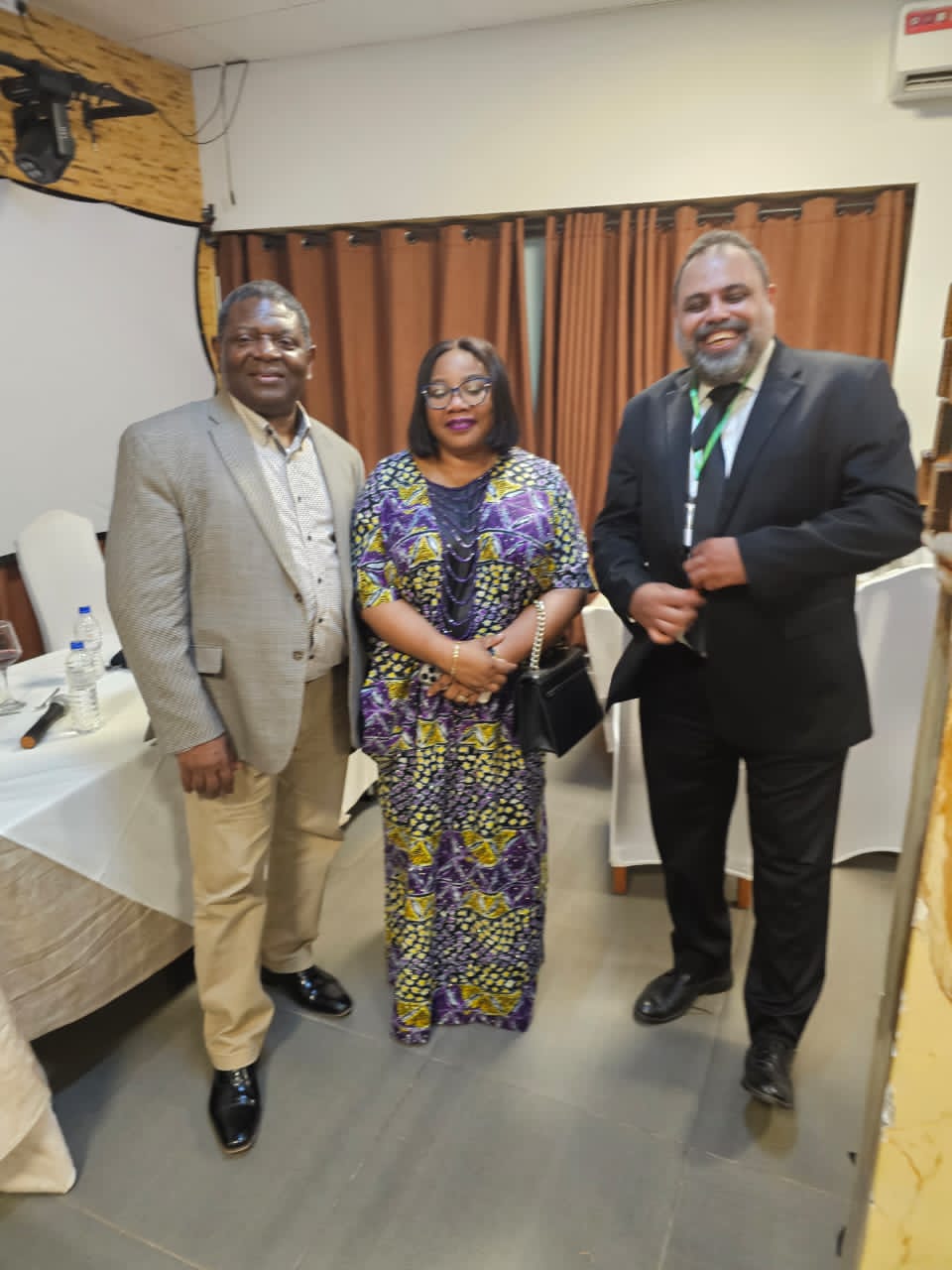
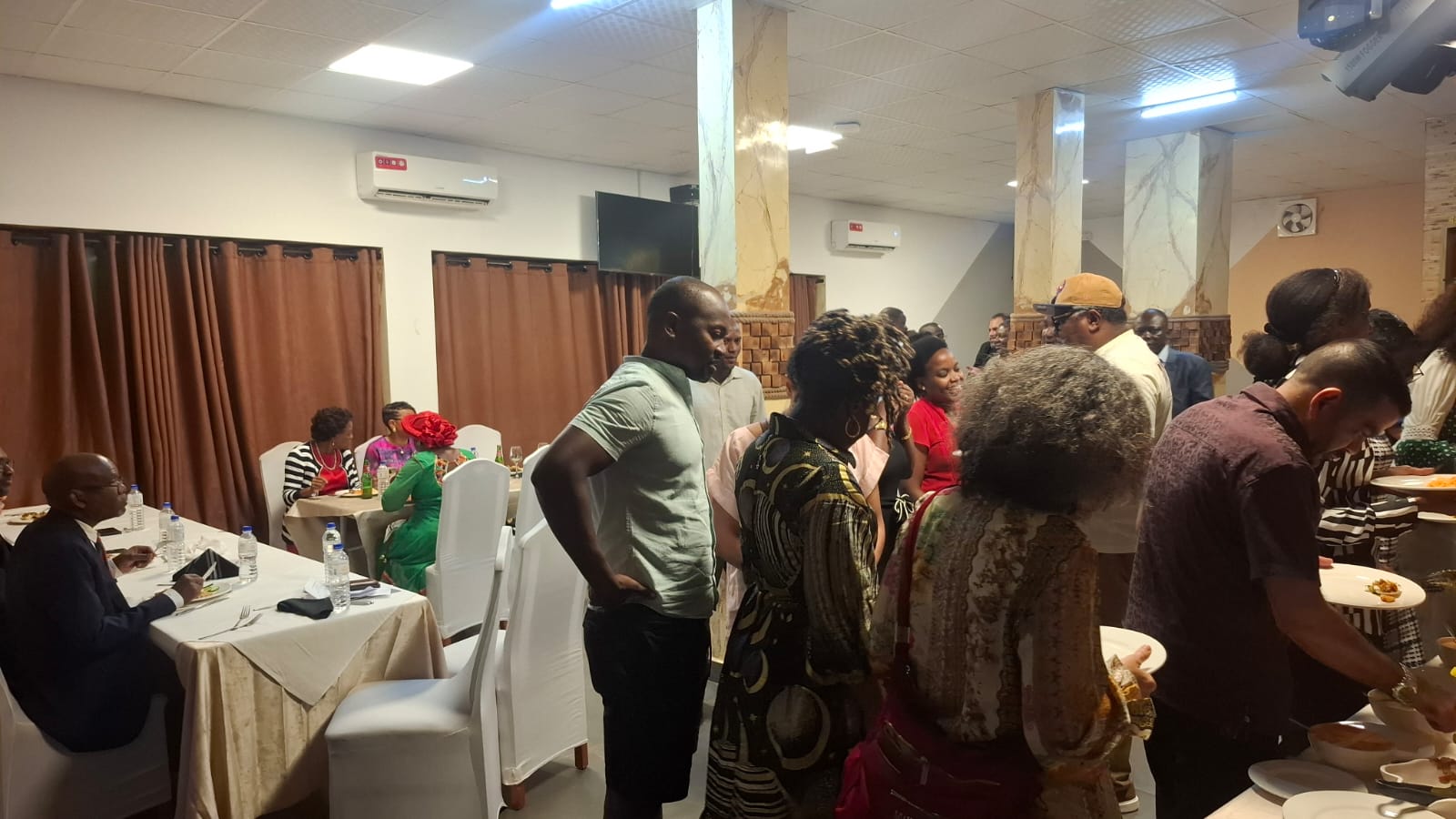
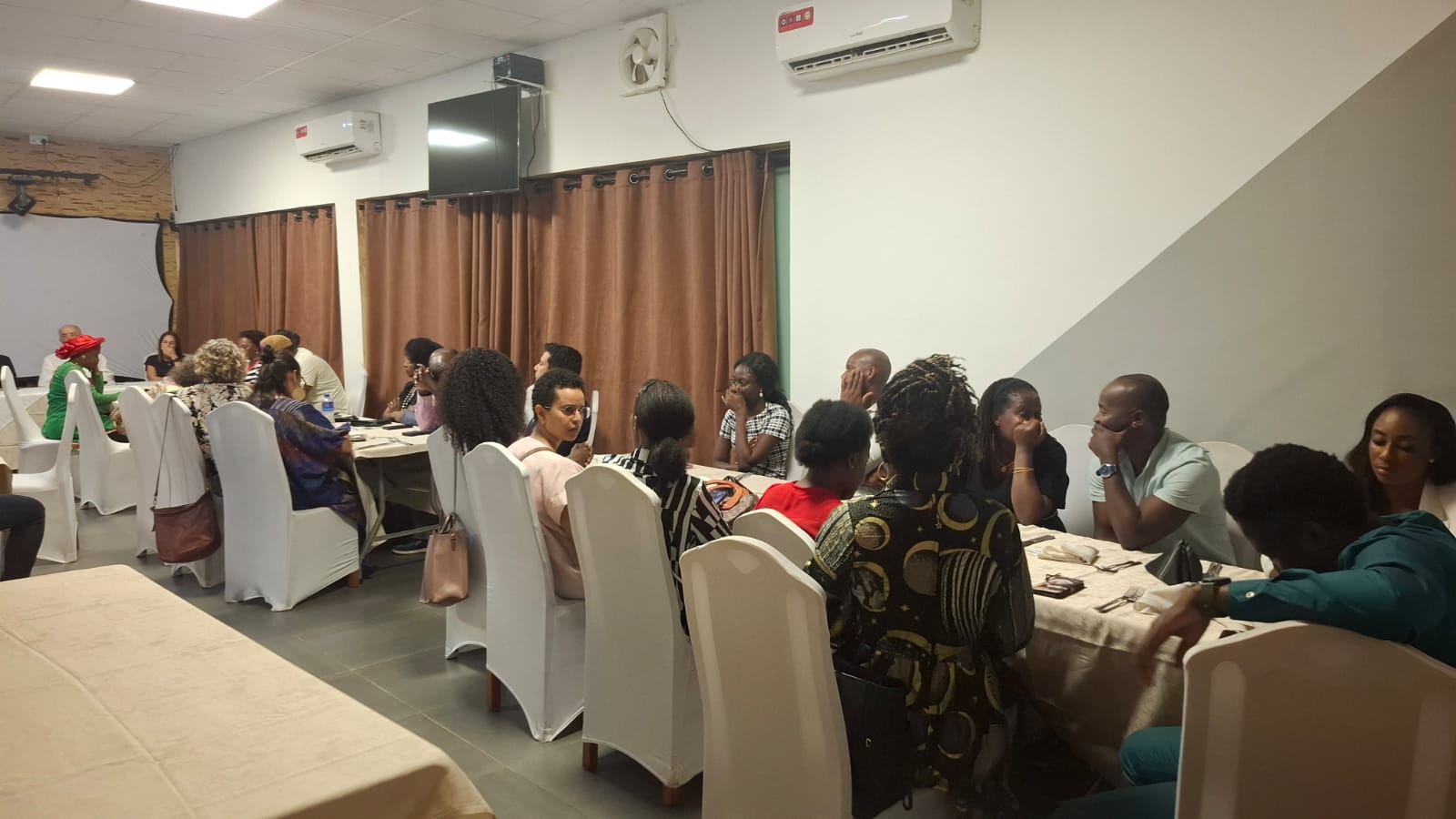
ERA and ACP team with ACHPR Chairperson Idrissa Sow and commissioners at the acquaintance dinner

ERA/ACP team with ACHPR Chairperson Idrissa Sow (4th from left) at the Bakadaji Hotel Acquaintance Dinner, Banjul, October 24, 2025.

During the 85th Ordinary Session of the ACHPR in Banjul, ERA — in partnership with the African Climate Platform (ACP) — carried out a strategic outreach mission aimed at advancing visibility of the initiatives. On 24 October 2025, ERA and ACP hosted an Informal Acquaintance Dinner at the Bakadaji Hotel, bringing together eight of the eleven Commissioners, their legal officers, and the Commission's Executive Director.

The dinner provided a platform for ERA and ACP representatives — including Ahmad Abdallah, Alfred Brownell, and Dzimbabwe Chimbga — to present ongoing initiatives, including the Advisory Opinion request before the African Court on Human and Peoples' Rights, which seeks clarity on States' environmental and climate obligations under the African Charter.

Discussions were dynamic and forward-looking. Commissioners engaged with the presentations, offering constructive reflections on advancing collaborative approaches within the African human rights system. Both Commission Chairperson Hon. Idrissa Sow and Dr. Litha Musyimi-Ogana, Co-Chair of the Working Group on Extractive Industries, welcomed the initiative and expressed support for continued collaboration.

Ahead of the delegation's departure from Banjul, ERA and ACP also paid a courtesy visit to Chairperson Idrissa Sow. The Chairperson highlighted thematic areas closely aligned with ERA's advocacy — including environmental defenders, reprisals, economic, social and cultural rights (ESCR), gender, migration, indigenous peoples, and enforced disappearances. He encouraged ERA to coordinate through the Executive Secretary to identify concrete areas for collaboration.

African CSOs Petition the African Court for a Climate Advisory Opinion

In a landmark step for environmental and human rights protection, the African Climate Platform, Resilient40, Natural Justice, and the Environmental Lawyer Collective for Africa — working with the Pan African Lawyers Union (PALU) — submitted a historic petition to the African Court on Human and Peoples' Rights on May 2, 2025.

The group is requesting an Advisory Opinion on African States' human rights obligations in the context of climate change — the first civil society–driven climate petition ever brought before the Court. Experts say it could redefine Africa's climate justice landscape and strengthen intergenerational equity across the continent.

"Africa's poor must not pay for the lifestyle of historical emitters. This petition is a plea for justice for communities already facing catastrophic droughts, floods, rising temperatures, and worsening displacement."

Alfred Brownell, Lead Campaigner, African Climate Platform

Grounded in the African Charter, the Maputo Protocol, the Kampala Convention, and the African Charter on the Rights and Welfare of the Child, the petition calls on the Court to clarify what African states are legally required to do in the face of the climate crisis. It asks the Court to affirm that governments must safeguard fundamental rights — including life, health, food, water, housing, and a clean and healthy environment — and to set clear standards for climate adaptation, resilience, and addressing loss and damage.

Across the continent, frontline voices echoed the human toll of the climate crisis. From North Africa to West and Southern Africa, speakers described droughts, flooding, collapsing cocoa yields, rising sea levels, and the disproportionate burdens borne by women, youth, and Indigenous Peoples. PALU's June Cynthia Okelo delivered a clear message: Africa must no longer be treated as a shock absorber for the world's polluters.

The Court has since acknowledged the petition and notified African governments, AU organs, and other individuals to submit observations.

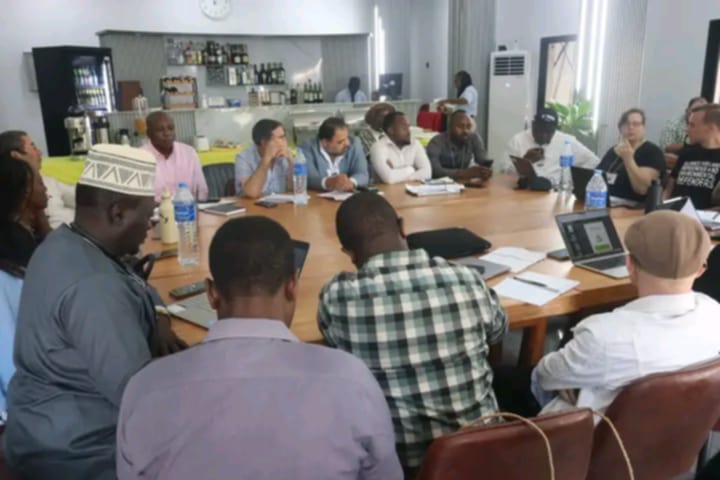
ERA and partner delegates at the Freetown collaborative conference on the Advisory Opinion petition

ERA and partner delegates working on the climate Advisory Opinion campaign.

Consulting on the General Comments: ERA's Contribution to Redefining Africa's Environmental Rights

ERA Strategic Advisor Clement Voule conducting session with ACHPR Commissioners

ERA Strategic Advisor Clement Voule conducts the session with ACHPR Commissioners at the regional consultation, September 19, 2025.

ERA and partners convened a regional consultation on 19 September 2025, bringing together more than 100 activists, experts, community leaders, journalists, and international partners to inform the African Commission on Human and Peoples' Rights' (ACHPR) development of a new General Comment on the Right to a Satisfactory Environment.

222 people had registered to participate in the consultations. Opening the discussion, ERA Chair Ahmad Abdallah highlighted the urgency of strengthening environmental protections as communities across Africa grapple with pollution, land grabs, extractive exploitation, and intensifying climate impacts.

Participants shared sobering realities from the ground, describing escalating harassment and arrests of environmental defenders in places such as Uganda, Nigeria, and the DRC. They drew attention to forced evictions of Indigenous peoples carried out under the guise of conservation, as well as pollution and displacement linked to large-scale development projects in Kenya, Liberia, and Namibia. Corporate impunity — often reinforced by weak governance or elite collusion — was highlighted as a persistent challenge.

Key recommendations to the Commission included: a strong legal framework on environmental rights addressing gaps and clarifying obligations; protection mechanisms for environmental human rights defenders, including anti-SLAPP safeguards; better access to justice, urging states to ratify the African Court Protocol; stronger corporate accountability in the extractives and critical minerals sectors; and community-led conservation instead of militarized approaches.

Commissioner Dersso praised the depth of civil society contributions and reaffirmed that inputs will shape the Working Group's thematic report and the drafting of the General Comment — which may become one of the continent's most significant normative developments in decades: a clear, authoritative interpretation of Article 24 of the African Charter, affirming every African's right to a clean, healthy, and sustainable environment.

Why the Continent Needs a Regional Environmental Legal Framework

Africa's climate crisis is no longer abstract — floods in East Africa, droughts in the Sahel, and storms like those in Derna, Libya, are devastating lives and livelihoods. These disasters reveal a pattern of environmental instability that national laws alone cannot contain.

Africa now has a rare opportunity: a Regional Environmental Rights Agreement — a continent-wide framework to protect the right to a clean, healthy, and sustainable environment. This is the vision of Environmental Rights Africa (ERA), a coalition of 55+ civil society organizations and grassroots defenders across 40+ countries, formed in 2021 to address transboundary environmental threats.

Pollution, extractive operations, and climate-driven displacement do not stop at borders. Yet most African states rely on weak national laws, offering limited transparency, inconsistent enforcement, and little protection for environmental defenders. ERA research across West and East Africa, and in the DRC, South Africa, and Ghana, shows widespread repression, shrinking civic space, and unregulated corporate activity — gaps that only a regional framework can fill.

"Latin America has Escazú. Europe has Aarhus. Africa — the region most affected by climate change — deserves no less."

ERA Policy Brief, 2025

Such an agreement would guarantee access to information, meaningful public participation, and justice when harm occurs. It would protect defenders, harmonize standards across the continent, and prevent industries from exploiting regulatory gaps. In short, it would strengthen governance while centering the rights and safety of communities.

ERA has engaged the ACHPR, UNEP, the AU, Indigenous leaders, and several governments. In 2025, with support from the Ford Foundation and OSF, ERA adopted a five-year strategy, expanding case studies, regional anchors, and expert working groups. The Nairobi UNEP consultation marked a watershed moment, signaling growing continental support for a new environmental rights instrument.

A Regional Environmental Rights Agreement is about dignity, justice, and survival — for farmers in Malawi, families in Senegal, and defenders from Liberia to Mozambique. History will judge whether Africa seized this moment. The question is not whether the continent needs a regional agreement — but whether it will act now.

Why a Regional Agreement?

1

Access to Information — Guarantees communities' right to know about environmental decisions affecting them.

2

Public Participation — Ensures meaningful involvement in decisions before harm occurs.

3

Access to Justice — Provides legal remedy when environmental harm occurs, including cross-border cases.

4

Defender Protection — Shields Indigenous peoples, women, youth, and frontline defenders from reprisals.

Read the Full ERA Periodical

Download the complete Vol. 001 edition as a PDF to read offline, share with colleagues, or archive for your records.

Download PDF → ← Back to Resource Hub